Catalogues
Spiegel and the Instalment Plan
How the Spiegel catalogue built its model around credit — the instalment plan as a structural difference from Ward and Sears, and what it said about who the mail-order customer was.
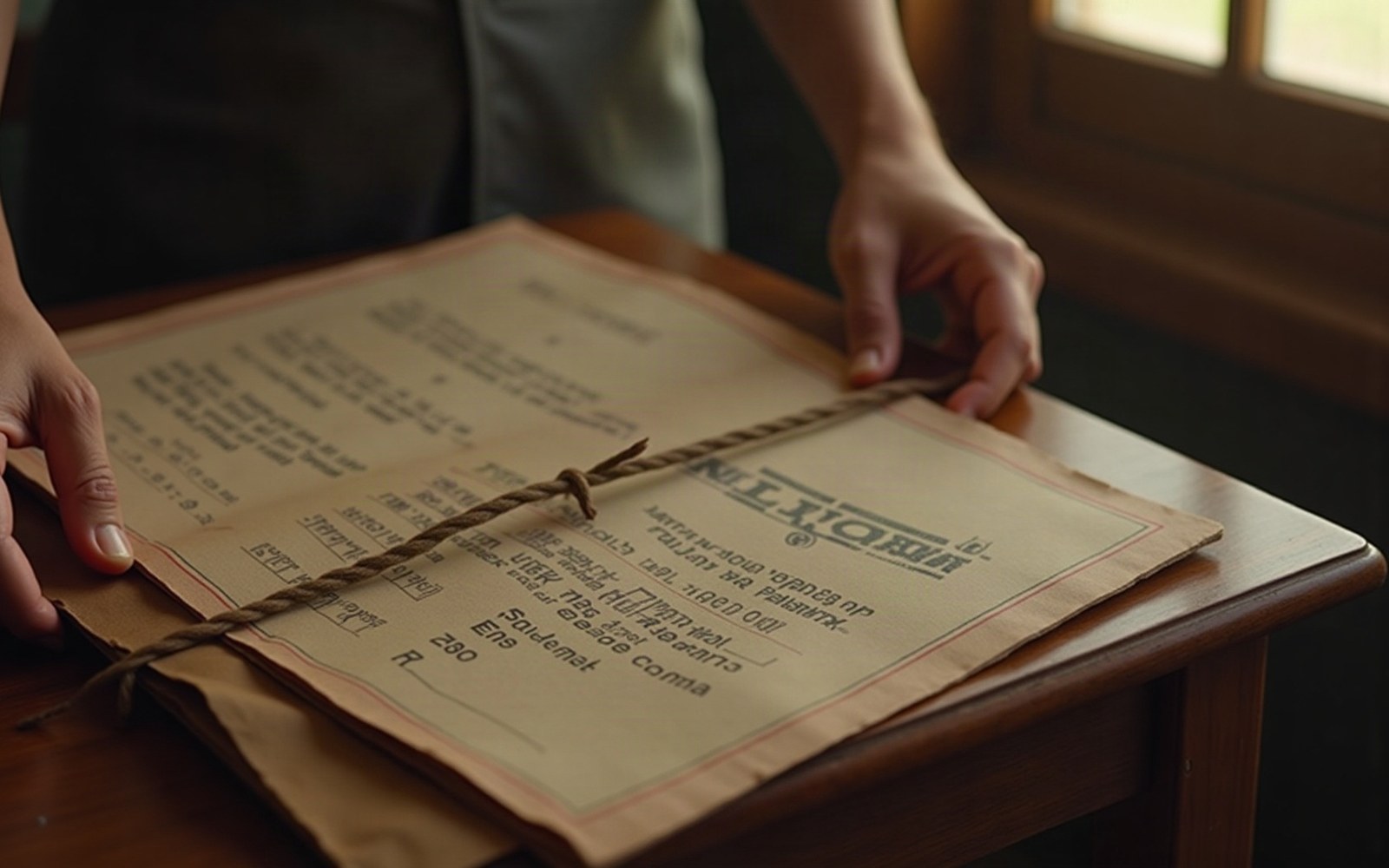
Spiegel's difference was credit, written into the model rather than offered as a favour.
How one Chicago catalogue house turned credit into a market — and found a customer that Ward and Sears had largely passed by.
A Different Kind of Book
Aaron Montgomery Ward and Richard Warren Sears built their businesses on cash. The Ward and Sears catalogues promised low prices because they cut out the middleman; the implied contract was straightforward — money sent, goods dispatched. Joseph Spiegel, operating out of Chicago, Illinois, looked at the same working-class market and saw something else: a customer who wanted the goods but could not produce the cash all at once.
A century of retail, filed by year.
Photo: Mathias Reding / Pexels
Spiegel had begun as a home-furnishings retailer in the 1860s, and when the firm moved into catalogue selling it carried its retail instalment logic with it. Under the instalment plan, a buyer committed to scheduled partial payments over weeks or months rather than settling the full price at the moment of order. The mechanics were simple; the implications were large. Spiegel was not selling furniture or apparel — it was selling access to furniture and apparel for households whose income arrived in irregular or modest increments.
The contrast in catalogue philosophy was structural, not cosmetic. Ward and Sears competed on unit price, relying on Rural Free Delivery and, after 1913, Parcel Post to reach the farm household economically. Spiegel competed on affordability-over-time, which meant its natural customer was often urban, wage-earning, and credit-dependent — a different demographic slice from the agrarian audience that Ward had addressed with his original 1872 one-sheet. Where the Ward and Sears catalogues broadcast a price and assumed the buyer could meet it, the Spiegel catalogue effectively set a weekly payment and assumed the buyer could meet that.
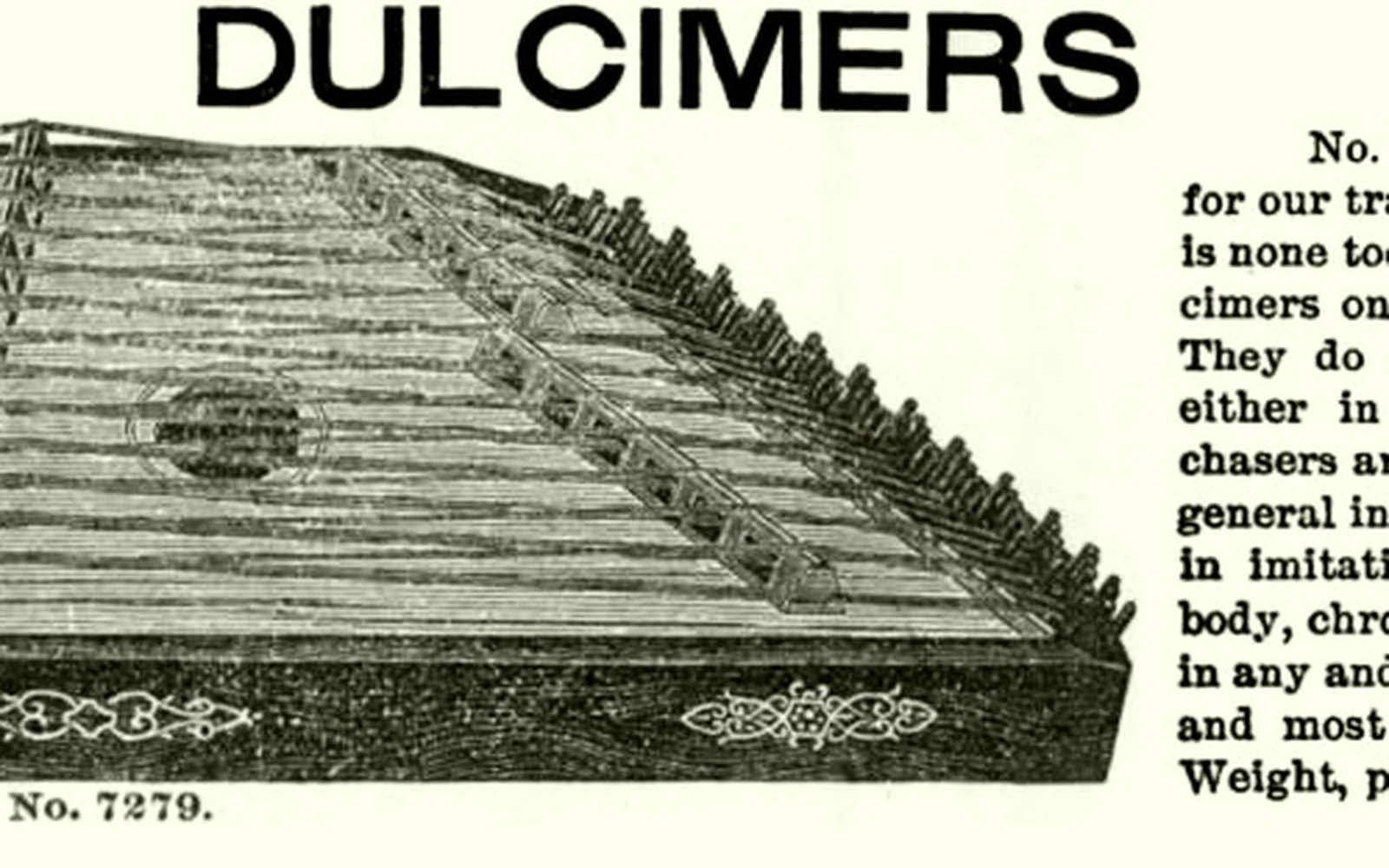
Two editions a year and roughly 500 pages by 1897 — the page count was itself the competitive claim.
Photo: Searsdulcimer · Wikimedia Commons
This distinction had consequences for the company's relationship with its customer file. Negative-option billing was a later development in subscription commerce, but Spiegel's instalment model created something analogous in the catalogue world: an ongoing financial relationship that extended well past the moment of purchase. A Spiegel customer who honoured one instalment agreement was a documented credit risk — a piece of information with real value for the next solicitation. The house file was not merely a list of buyers; it was a ledger of payers.
By the mid-twentieth century, Spiegel had repositioned itself toward a more fashion-forward, upscale market, though credit remained central to its model as the company moved through several ownership changes and eventually into bankruptcy proceedings in the early 2000s. What it left behind was a proof of concept: that the mail-order catalogue could serve not just the buyer with cash in hand, but the buyer who needed time to pay.