Catalogues
The Boot and the Guarantee, 1912
L.L. Bean's founding guarantee — the Maine Hunting Shoe returned by 90 of the first 100 buyers, and the unconditional refund policy that became a catalogue institution.

Ninety of the first hundred Maine Hunting Shoes came back. The refund policy outlasted the boot.Photo: L.L. Bean Hunting and Fishing Store, Freeport ME · Wikimedia Commons
Leon Leonwood Bean's Refund as Sales Architecture
Leon Leonwood Bean was a dry-goods merchant in Freeport, Maine, when he stitched a rubber boot bottom to a leather upper and began selling the result by mail in 1912. The Maine Hunting Shoe was designed for the practical misery of New England wetlands: a waterproof sole, a supple top, the kind of functional hybrid that no department store then stocked. Bean mailed a circular to holders of Maine hunting licenses — a ready-made list of men who would understand the boot's purpose — and received orders by return post.
Ninety of the first hundred pairs came back.

A century of retail, filed by year.
Photo: Mathias Reding / Pexels
The rubber bottoms had separated from the leather uppers. Bean refunded every purchaser and had the boot redesigned at a cobbler in Boston. He then resumed selling. The refund was not, at that point, a policy statement — it was an obligation, and L.L. Bean handled it as such. What made it remarkable was what happened next: Bean codified the experience into an explicit, unconditional guarantee. Every piece of catalogue copy thereafter stated that any item found unsatisfactory could be returned at any time for a full refund or replacement.
The economics of that commitment were counterintuitive but sound. Mail-order buyers in 1912 could not touch the merchandise, and they had learned from experience to distrust catalogue descriptions. The guarantee transferred the risk of disappointment from buyer to seller, and in doing so it converted hesitation into orders. A returned boot cost Bean money; a buyer who never placed an order cost him more. The unconditional return policy was, in modern terms, a customer-acquisition mechanism with a measurable cost built in.
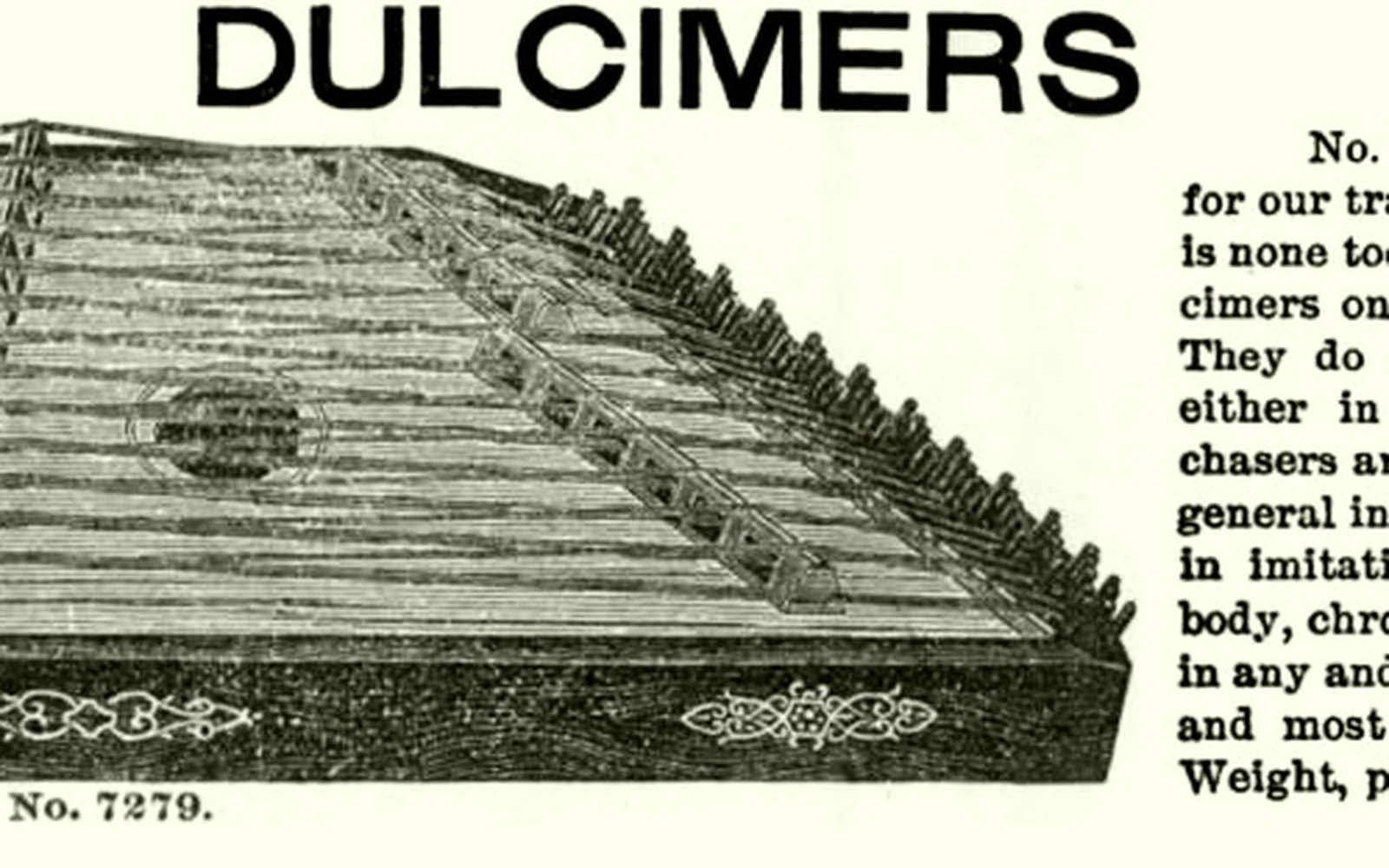
Two editions a year and roughly 500 pages by 1897 — the page count was itself the competitive claim.
Photo: Searsdulcimer · Wikimedia Commons
The structure also created a house file worth cultivating. A customer who had been made whole after a product failure was, in Bean's experience, a customer inclined to reorder — a fact that anticipated by decades the retention logic later formalised in RFM scoring. Bean understood, without the vocabulary, that customer lifetime value exceeded the cost of the occasional refund.
The Parcel Post Act of 1913 arrived the following year, permitting the mail to carry packages at rates that made rural fulfilment practical, and Bean's Freeport operation expanded accordingly. By the 1920s the catalogue ran to several pages, the Maine Hunting Shoe had been refined into a durable product, and the guarantee had become institutional. What had begun as an embarrassing manufacturing failure became the founding document of a direct-mail brand whose entire identity rested on a single promise: if it is not right, send it back.