Section 7 of 7
The Wire
Email, the cookie, search advertising and the data-privacy laws that began to close the ledger — CAN-SPAM, GDPR and the cookie's long unwinding.
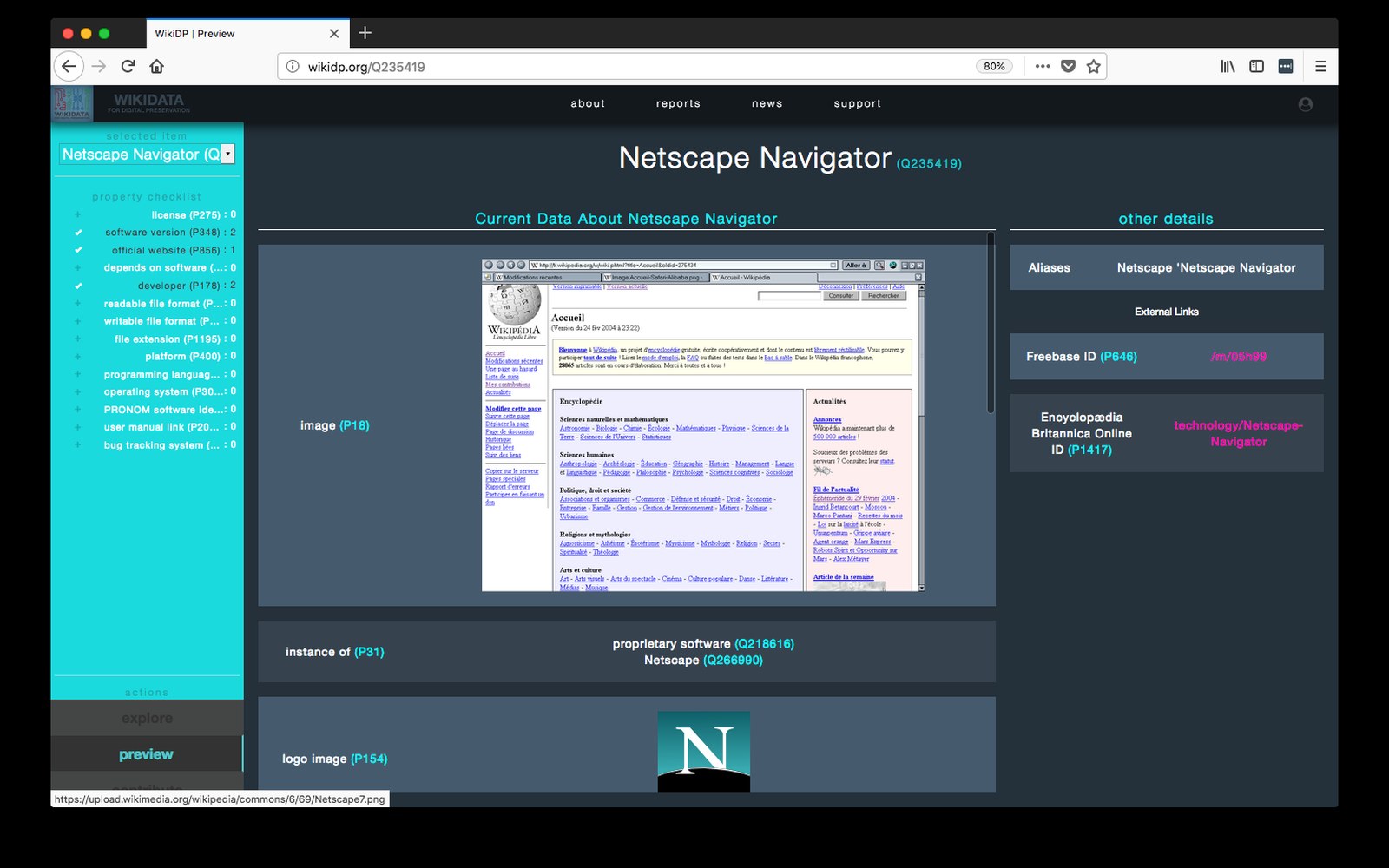
A few bytes handed back on the next request, written in 1994 to hold a shopping basket together.Photo: Wikidata for Digital Preservation - custom-built Wikidata interface with Netscape Navigator item Q235419 · Wikimedia Commons
- Netscape Shipped the CookieThe WireLou Montulli wrote the HTTP cookie specification at Netscape in 1994 to solve a shopping-basket problem — a small text file that let a server recognise a returning browser.
- CAN-SPAM Set the Floor in 2003The WireThe CAN-SPAM Act of 2003 — its statutory requirements for commercial email (opt-out mechanism, sender identification, subject-line accuracy), the penalties it set and the enforcement record in its first decade.
- Two Laws, Two Continents, One ProblemThe WireThe General Data Protection Regulation (May 2018) and the California Consumer Privacy Act (January 2020) — the rights each established, the obligations each imposed on organisations holding personal data, and what each said about consent.
- The Long UnwindingThe WireFrom Firefox's third-party cookie restrictions (2019) through Safari's Intelligent Tracking Prevention to Google's repeated deferral of the Privacy Sandbox — the documented sequence by which the cookie's role in cross-site tracking was narrowed.
- The Scanner Read the Basket, 1974The WireThe first commercial barcode scanner, installed at a Marsh Supermarket in Troy, Ohio, on 26 June 1974, read a pack of Wrigley's gum — and began producing item-level transaction data that loyalty-card programmes would later turn into a customer file.
Elsewhere on the ledger