The Wire
The Scanner Read the Basket, 1974
The first commercial barcode scanner, installed at a Marsh Supermarket in Troy, Ohio, on 26 June 1974, read a pack of Wrigley's gum — and began producing item-level transaction data that loyalty-card programmes would later turn into a customer file.
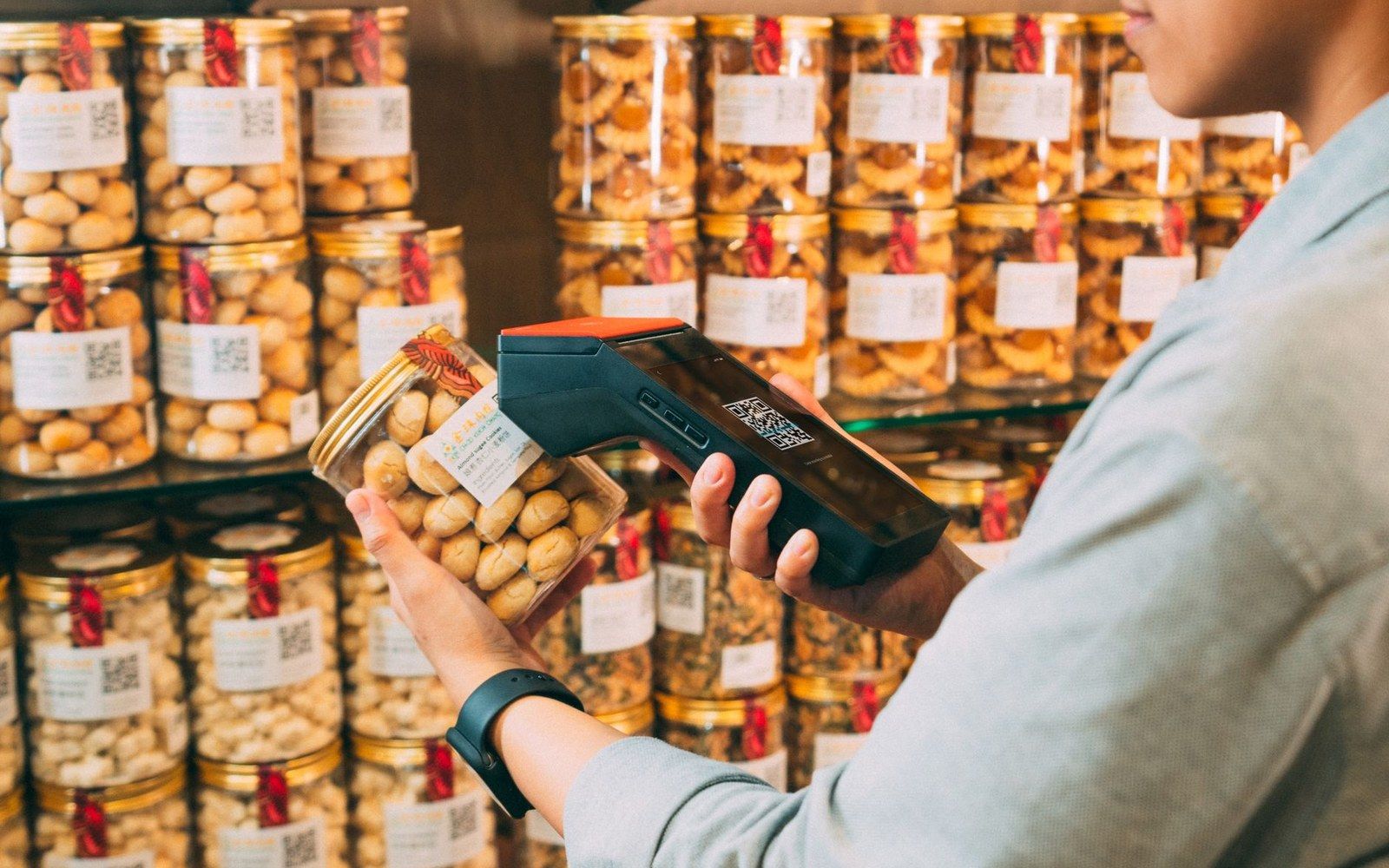
Troy, Ohio, 26 June 1974: a pack of gum became the first item-level transaction record.Photo: iMin Technology / Pexels
A Checkout Lane as a Data Instrument
On 26 June 1974, a cashier at Marsh Supermarket in Troy, Ohio, passed a ten-pack of Wrigley's Juicy Fruit chewing gum across a new kind of reader. The Universal Product Code printed on the package returned a signal, and the first commercial barcode transaction was complete. The item, the price, the time: all of it recorded automatically for the first time in a retail setting.
The Universal Product Code ↗, developed through a grocery-industry standards process that concluded in 1973, assigned each product a twelve-digit identifier readable by laser scanner. Its immediate justification was operational — faster checkout, reduced pricing errors, better inventory control. What the industry did not fully articulate at the point of installation was that a scanner is, before anything else, a measurement instrument. Every transaction it processes is a structured record: which product, in what quantity, at what moment.
CAN-SPAM set the floor for commercial email: a working opt-out, accurate headers, an identified sender.
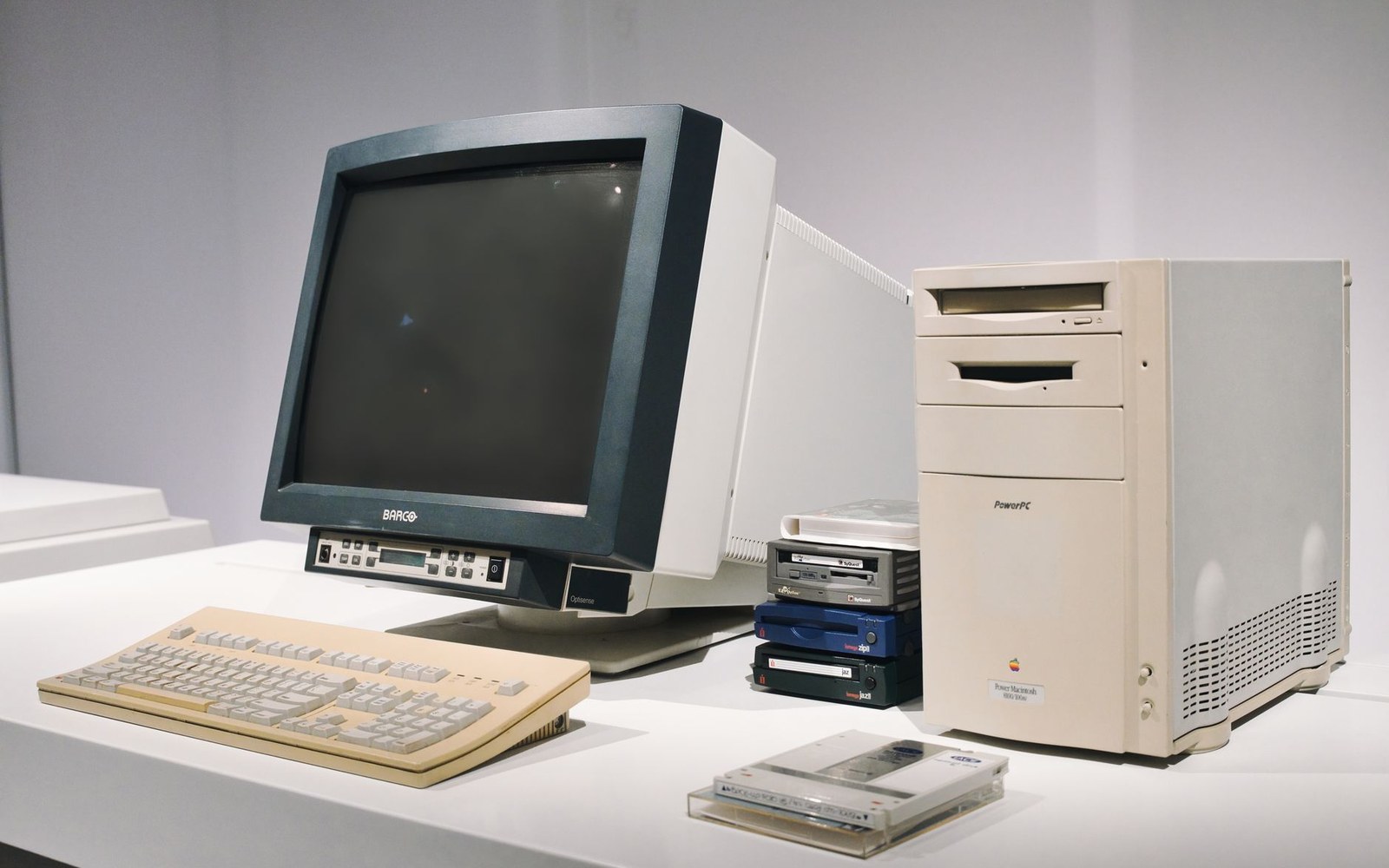
Navigator, 1994.
Photo: Ruben Boekeloo / Pexels
That record sat mostly inside store systems through the 1970s and early 1980s, useful for restocking and shrinkage analysis but not yet attached to any individual shopper. The connection came later, when retailers introduced loyalty card programmes — notably in the United Kingdom through the 1990s and in the United States through the same decade. The loyalty card gave the transaction file a name and an address. Suddenly the basket contents became a customer file, with purchase history deep enough to support RFM scoring and targeted promotion.
The path from the Troy, Ohio checkout lane to a direct-mail campaign or a personalised digital offer is not a short one, but it is a continuous one. Acxiom and Experian, already building data warehouses from compiled and response lists, found scanner-derived purchase data a natural complement to their demographic overlays. Retailers and data compilers together could now answer, at the individual level, not just who a customer was but what they actually bought.
The Wrigley's packet itself — item number one from the first scanner read — is held by the Smithsonian Institution's National Museum of American History ↗ as an artefact of commercial measurement. That is an apt resting place. The scanner's historical significance was never primarily about convenience at the register; it was about the moment retail stopped estimating demand and began recording it.