The Coupon
Thirteen Records for a Penny
The Columbia Record Club — built by Wunderman as a subscription machine, with its coupon-in-the-magazine recruitment and negative-option billing — as the clearest demonstration of direct-marketing mechanics at scale.
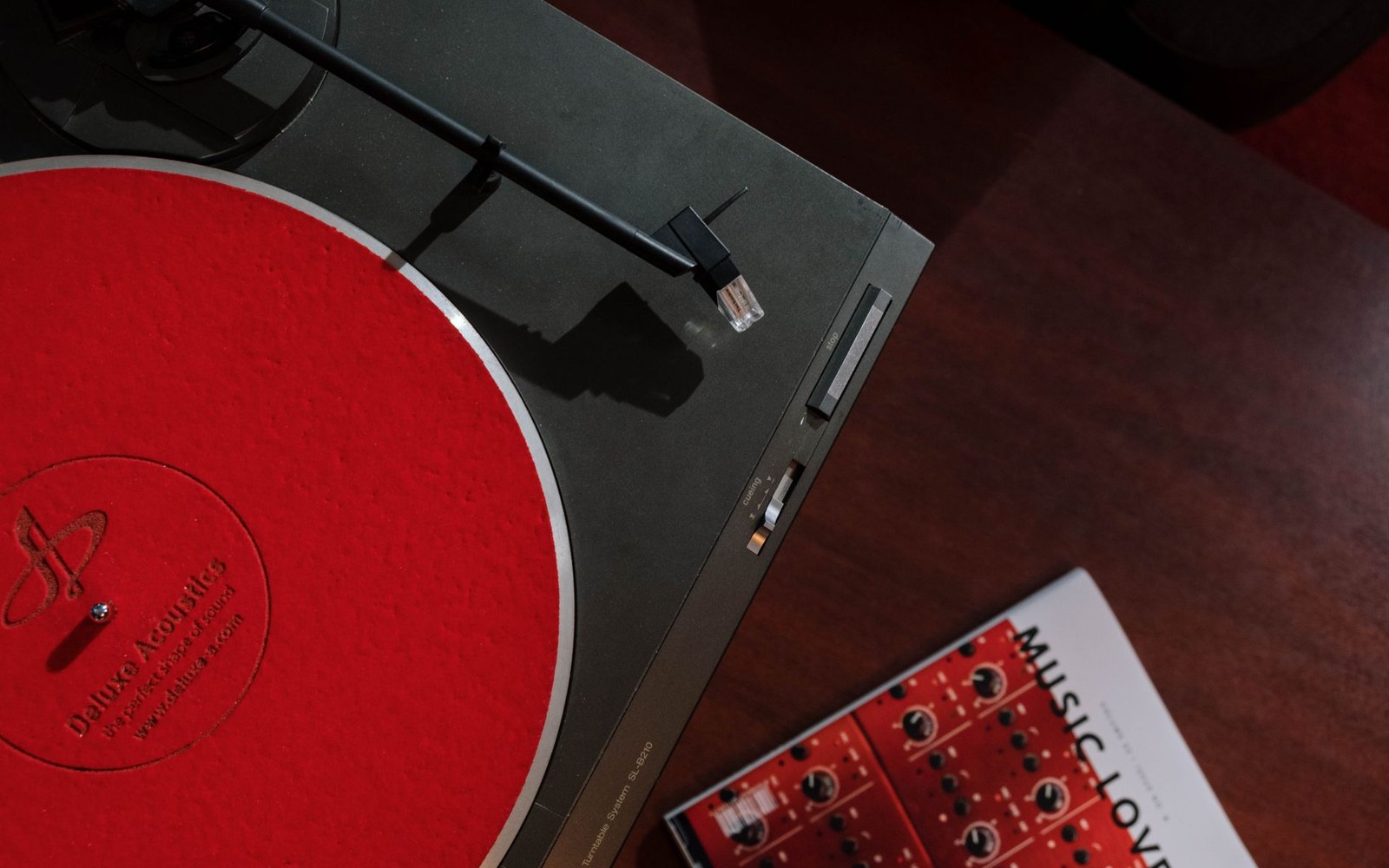
Thirteen records for a penny: coupon recruitment and negative-option billing, run as a machine.Photo: cottonbro studio / Pexels
The Columbia Record Club's recruitment coupon was not a promotion. It was the entry point to a precisely engineered subscription machine.
How the Model Worked
In 1955, Columbia Records launched a mail-subscription service for long-playing records, and the coupon it placed in national magazines became one of the most studied recruitment devices in direct-marketing history. The mechanic was deliberately lopsided: a new member received thirteen records for a penny, accepting in the same act an obligation to purchase a specified number of records — typically four — at regular prices over the following year. Lester Wunderman, whose agency held the account, understood that the offer's apparent absurdity was its strength. The penny price removed hesitation; the contractual tail was where the business lived.
The Big Book at reading distance.
Photo: Sears building, from Robert N. Dennis collection of stereoscopic views · Wikimedia Commons
Wunderman's design drew on two structural instruments. The first was negative-option billing, in which a monthly selection was shipped and charged automatically unless the member mailed back a rejection card by a stated deadline. Inertia, reliably, produced revenue. The second was the coupon itself as a qualifying filter: a reader who clipped, completed, and posted a magazine coupon had demonstrated enough intent to be worth the cost of thirteen subsidised records. The response rate among those who converted to active membership was substantially higher than among customers acquired by less effortful means.
The mailing list the club assembled from these coupons became a house file of documented purchase behaviour — every selection or rejection recorded, every genre preference implied. That file had value independent of any single mailing cycle. Columbia could identify which members were approaching their minimum-purchase obligation, time a retention offer accordingly, and measure the result with a precision that broadcast advertising could not approach.
Caples tested the 1926 headline against alternatives, then built a method on the result.
Photo: "When he heard I was from Washington He Laughed," via Digital Public Library of America · Wikimedia Commons
The Federal Trade Commission ↗ ultimately required that negative-option clubs disclose their terms clearly, codifying obligations around rejection deadlines and cancellation rights. The Columbia Record Club model nonetheless survived regulation and was widely replicated — in book clubs, in video clubs, in continuity series selling cookware and encyclopaedias. Each instance followed the same architecture: a deeply discounted recruitment offer, a binding continuation commitment, and an operational system built to convert inertia into revenue.
What Wunderman had assembled was, in compressed form, the full grammar of direct marketing: an offer calibrated to generate measurable response, a contractual structure that produced predictable lifetime value, and a data record that made each subsequent contact more efficient than the last. The penny was the headline. The subscription was the business.