Catalogues
What a Wall of Spines Meant
The catalogue archive as a physical record of a century of mail-order trade — reading a run of Sears spines as a timeline of American retail.

A run of spines reads as a timeline of what a household could be sold.Photo: Ar kay / Pexels
The Catalogue as Document
A run of Sears, Roebuck catalogues on a shelf — spines facing out, years stamped on cloth or paper — is one of the more compressed timelines in American commercial history. The catalogue that reached five hundred pages by 1897 grew, by the early twentieth century, into a volume thick enough to function as a doorstop. Each spine records the accumulation: new merchandise categories as manufacturing diversified, new credit arrangements as the instalment plan matured, new postal realities after the introduction of Parcel Post in 1913 allowed the mail system to carry packages. A researcher tracing any one of those shifts can date it to the season by pulling a single book.
The physical archive rewards this kind of reading because the catalogue was never purely a selling instrument. It was also a pricing ledger, a logistics statement, and a geography of aspiration — documenting what a household in a rural county could send away for and, implicitly, what it could not afford in any local store. The Rural Free Delivery programme launched in 1896 by the United States Post Office is part of the same story: without carriers reaching farmhouses directly, the catalogue remained an idea rather than a practice.
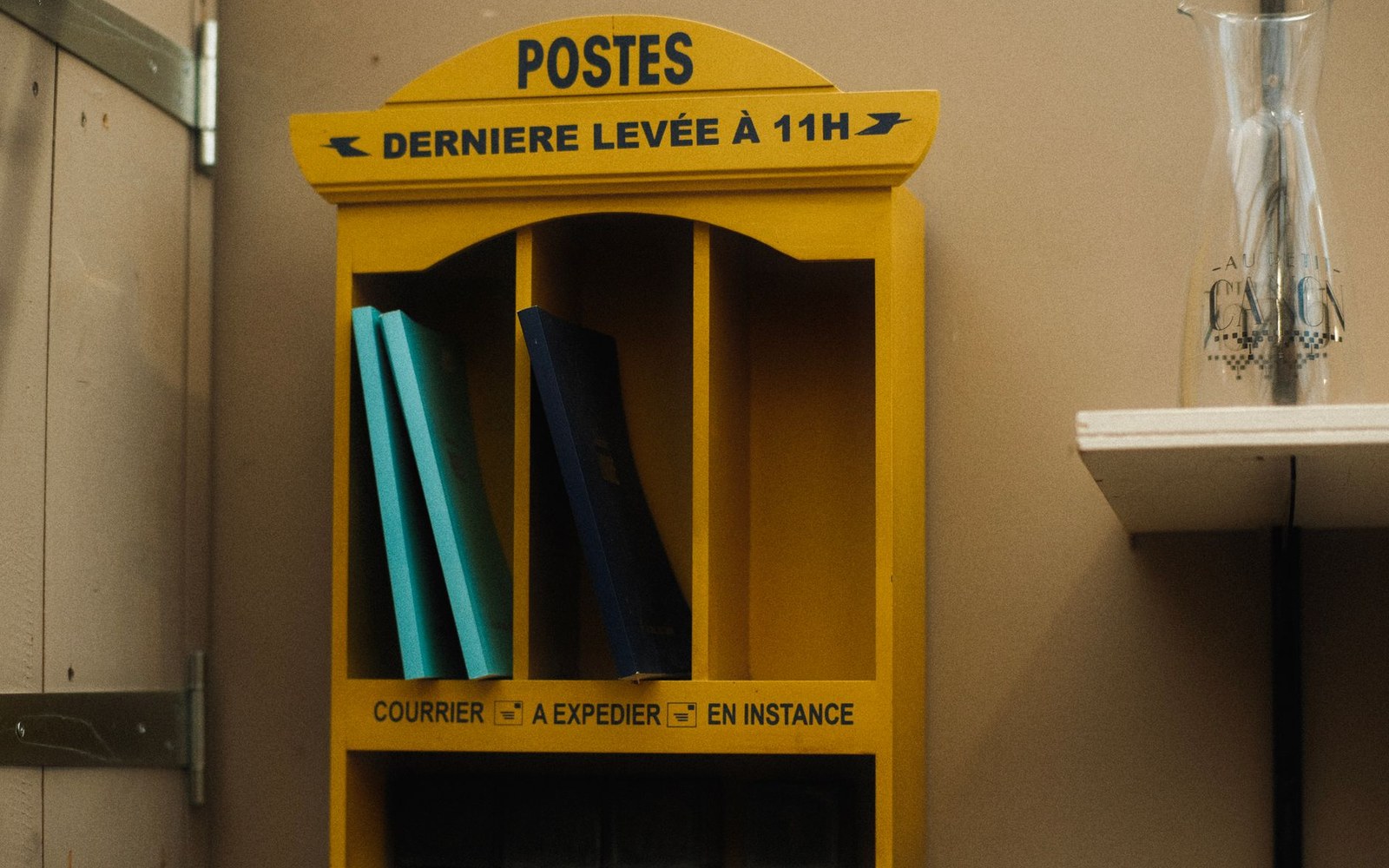
A century of retail, filed by year.
Photo: Mathias Reding / Pexels
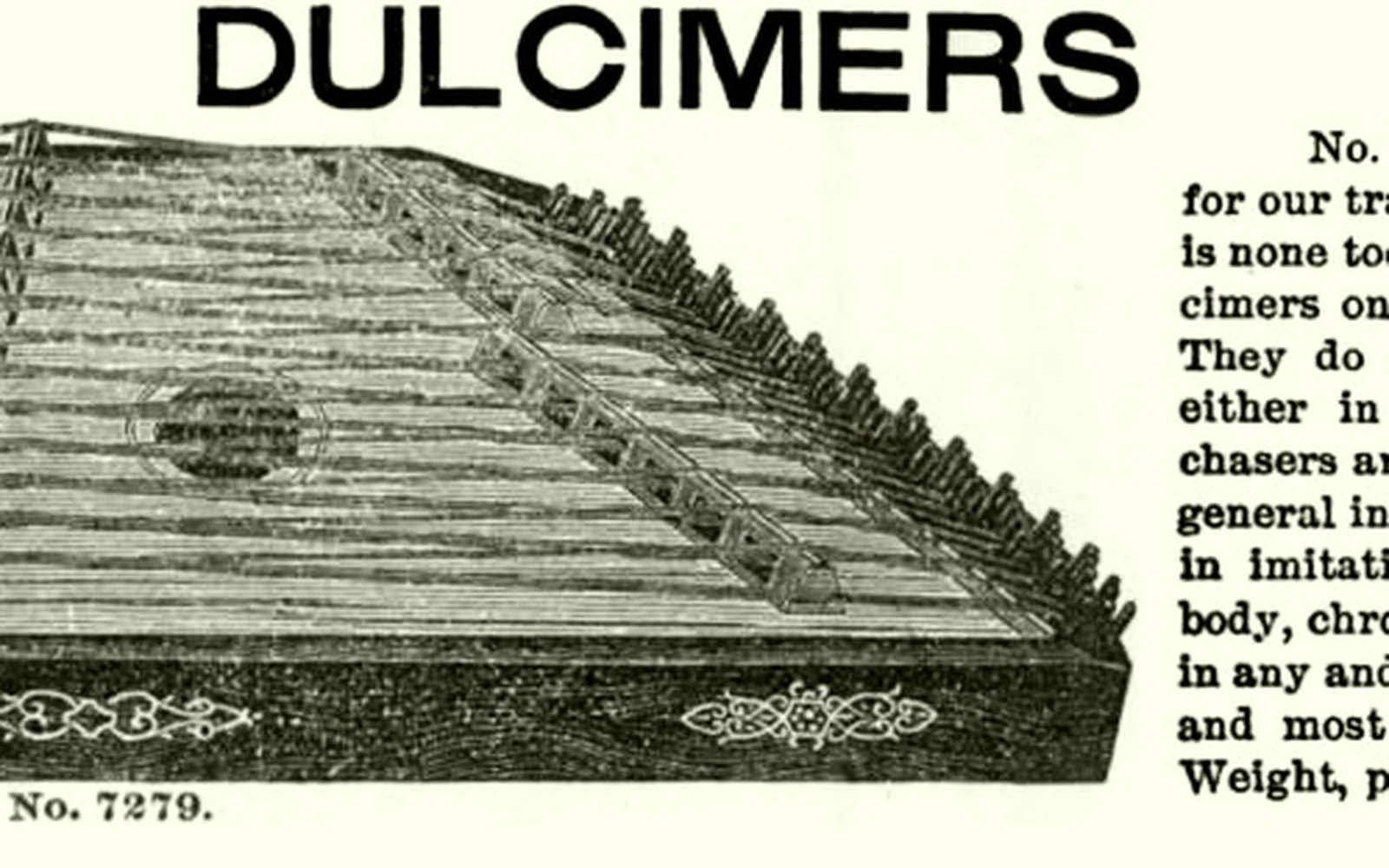
Two editions a year and roughly 500 pages by 1897 — the page count was itself the competitive claim.
Photo: Searsdulcimer · Wikimedia Commons
What distinguishes the catalogue from other advertising forms as a historical record is its completeness. A newspaper insert might survive in a single copy; a radio spot from 1935 is almost certainly gone. The bound catalogue, issued twice a year in large press runs and kept by households as a reference, survived in enough copies to make archival runs possible. The Smithsonian Institution ↗ and university library collections hold runs that span decades, and researchers have used them to track consumer price indices, the diffusion of domestic technology, and shifts in body-image norms reflected in clothing illustrations.
None of that was the intention of Aaron Montgomery Ward, Richard Warren Sears, or any other catalogue producer. They were building a selling mechanism, not a document. The document is what remained when the selling was done — and when Sears suspended its general catalogue in January 1993 after ninety-seven years of continuous publication, it closed an archive as much as it ended a retail channel.