Catalogues
The Book That Stopped in 1993
Sears suspended its general catalogue in January 1993 after 97 years of continuous publication — what the decision reflected about catalogue economics, competition from big-box retail and the costs of print distribution.

Sears suspended the general catalogue in January 1993, after 97 years of continuous publication.
Ninety-seven years of continuous publication ended on a January morning when Sears, Roebuck and Company announced it would print no further general catalogues.
A Decision Built on Numbers
The suspension came in January 1993, and the arithmetic behind it was straightforward even if the symbolism was not. Sears had been haemorrhaging money on its catalogue division for years; by the time the decision was made, the operation was losing hundreds of millions of dollars annually. The general catalogue — the "Big Book," as it had been known for most of its life — required not only the cost of printing and paper but an elaborate fulfilment infrastructure: distribution centres, dedicated telephone lines, a national network of catalogue sales offices where customers could browse and order without a store nearby. Each of those costs had been set against a retail environment that had shifted dramatically since the division last showed reliable profit.
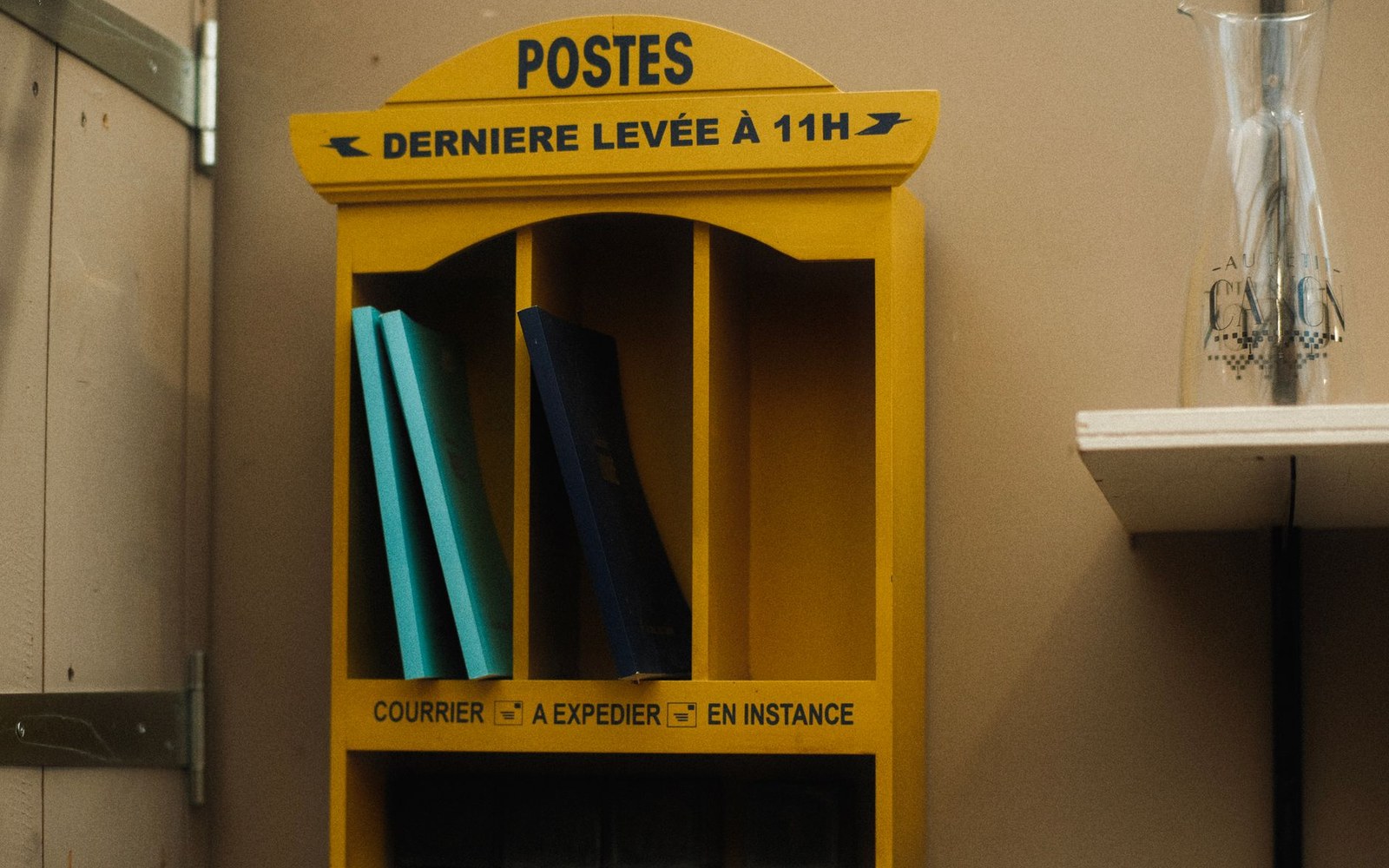
A century of retail, filed by year.
Photo: Mathias Reding / Pexels
The competition that finally broke the model was not another catalogue. It was physical square footage. Walmart ↗ had expanded through the 1980s at a pace that put discount merchandise within driving distance of most Americans who had once depended on a printed book to reach goods unavailable locally. Specialty retailers — Circuit City for electronics, Toys "R" Us for children's goods, Home Depot for hardware — had taken category after category that the general catalogue once owned outright. The Sears Big Book tried to serve every room in an American house; the new retail landscape had handed each room to a specialist who could carry deeper inventory at sharper prices. A general catalogue competing with category killers on their own terms faced a structural disadvantage that no amount of mailing-list refinement could correct.
What the Book Had Been
At its height the Sears catalogue was something close to a national utility. Sears, Roebuck and Company ↗ had issued its first general catalogue in the 1890s, and by 1897 the book ran to roughly five hundred pages. For rural Americans, it represented access to the same goods that city dwellers found on department-store floors, arriving by post after Rural Free Delivery brought mail to farmhouse doors beginning in 1896. The catalogue sold clothing, tools, furniture, patent medicines, jewellery, and eventually, between 1908 and 1940, approximately 70,000 prefabricated kit houses shipped by rail. It established instalment credit as a workable mechanism for mail-order commerce — the understanding that a customer could pay across time rather than in full — and it built a house file of millions of active buyers long before anyone called such a list an asset.
That file had been carefully maintained. Buyers were scored and tiered; the catalogue division understood, at least informally, the logic that Robert Kestnbaum would formalise as RFM — ranking customers by recency, frequency, and monetary value to direct mailing effort toward those most likely to order again. The Big Book reached a peak circulation of some 300 million copies, a number that made it simultaneously the most distributed commercial publication in the country and one of the most expensive to produce.

Ward's 1872 list ran to a single page; its argument was that a printed price needs no shopkeeper standing behind it.
Photo: Antoni Shkraba / Pexels
The Costs That Accumulated
Paper, printing, and postage had all risen steadily through the late 1980s and into the 1990s. United States Postal Service ↗ rate increases compounded what were already significant distribution costs for a book that could exceed five hundred pages and weigh several pounds. Catalogue sales offices, which had served as physical intermediaries for customers without convenient store access, required staff and leases in an era when the rationale for their existence was eroding. The company's broader financial difficulties — Sears was simultaneously struggling with the performance of its Allstate insurance and Dean Witter financial-services subsidiaries — removed whatever cushion might otherwise have absorbed a turnaround period.
The January 1993 announcement affected roughly 50,000 jobs associated with the catalogue operation, a figure that conveyed the scale of what had been built over nearly a century. Specialty catalogues — tools, home goods, and particular clothing lines — continued under the Sears name for some years afterward, as did the catalogue businesses of competitors who had never tried to be everything to everyone. What ended was the general catalogue in its original conception: a single book that assumed it could stand in for a town.
The assumption had been reasonable once. By 1993, the town had been built.