The Telephone
AT&T Reversed the Charge, 1967
AT&T's 800-number service, introduced in 1967, removed the cost of calling from the respondent — what the change did to response rates for direct-mail and DRTV campaigns, and how it made the telephone a usable order channel at scale.
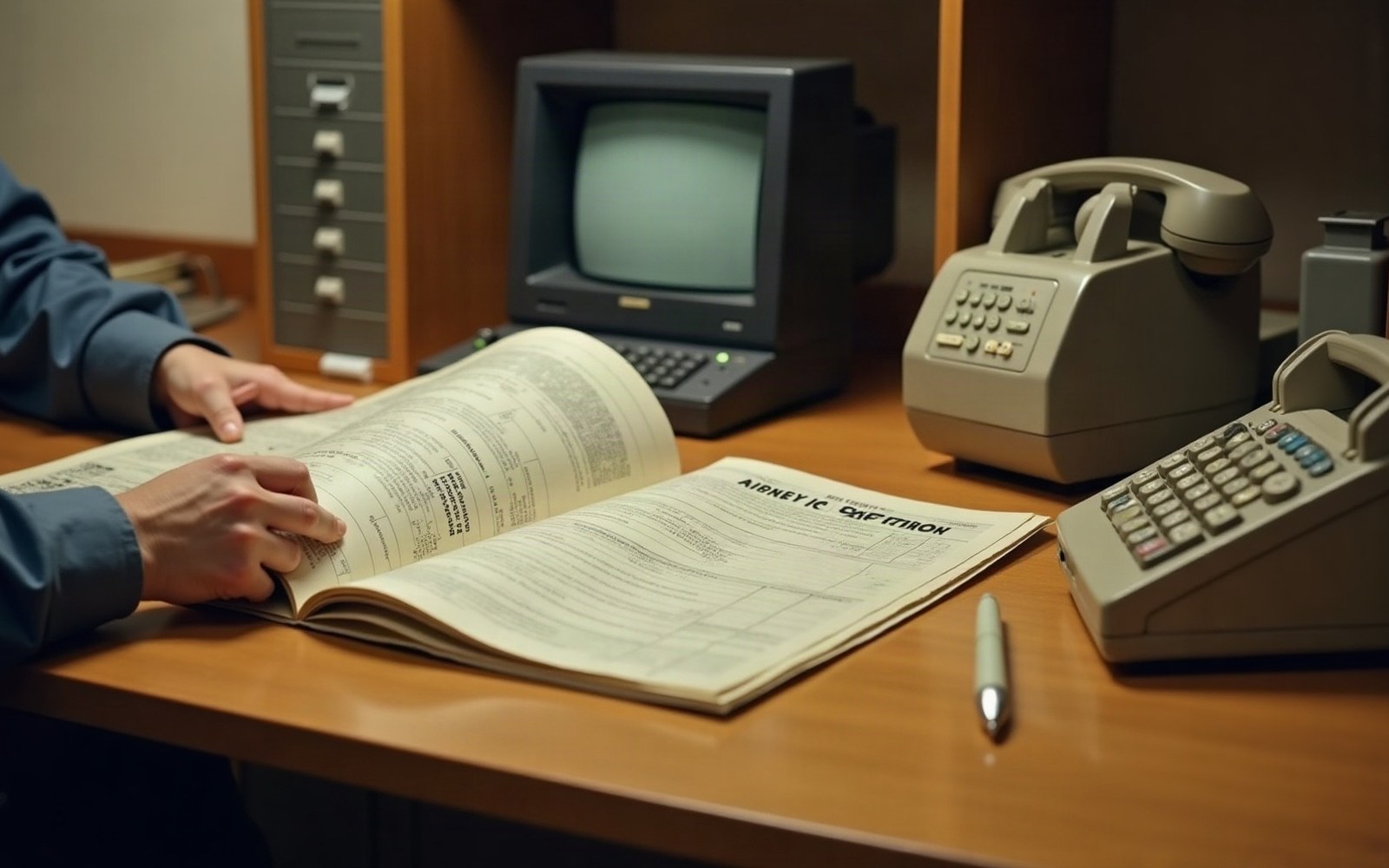
From 1967 the advertiser paid for the call, which is what made the telephone an order channel.
When AT&T made the caller's half of the transaction free, the telephone became an order channel rather than a conversation.
The Problem the 800 Number Solved
Before 1967, a direct-mail piece that invited a telephone response asked the reader to pay for the call. Operators, long-distance rates, and the small but real friction of a metered charge were enough to suppress response. The catalogue was efficient; the telephone was not. A customer might write a letter, clip a coupon, or walk to a post office — but calling a company headquartered in another state cost money, and most consumers knew it.

Zones, 1963.
Photo: Marina Leonova / Pexels
AT&T's solution was mechanical rather than visionary. The InWatts service, introduced commercially in 1967, assigned a subscriber — typically a business — a number in the 800 exchange. Calls to that number were billed to the receiving party ↗, not the caller. The long-distance charge still existed; it simply moved. A mail-order company absorbed it as a cost of doing business, priced into the margin, and received in return something worth considerably more: callers who had not first had to decide whether the inquiry was worth a dime.
What the Change Did to Volume
The effect on response was not modest. Direct marketers who added an 800 number to existing print and broadcast campaigns reported measurable lifts in inbound contacts, because the psychological barrier — minimal in dollar terms, substantial in behavioral terms — had been removed. The toll-free number became standard direct-response apparatus within a decade of launch. By the late 1970s, the number appeared on the back pages of catalogues, at the foot of direct-mail letters, and, critically, on the television screen at the close of the direct-response spot that was then proliferating across late-night and cable schedules.
The relationship between the 800 number and direct-response television was particularly productive. A sixty-second spot could not carry an order form; it could carry a telephone number. Lester Wunderman, who had named the discipline of direct marketing in a 1967 speech at MIT, had long argued that every advertisement should contain a mechanism for immediate response. The toll-free number was precisely that mechanism translated into broadcast. Operators — literal people, then, at banks of desks — could capture a name, address, and credit-card number in under two minutes. The spot aired; the phones rang; the response rate could be tabulated by the following morning.
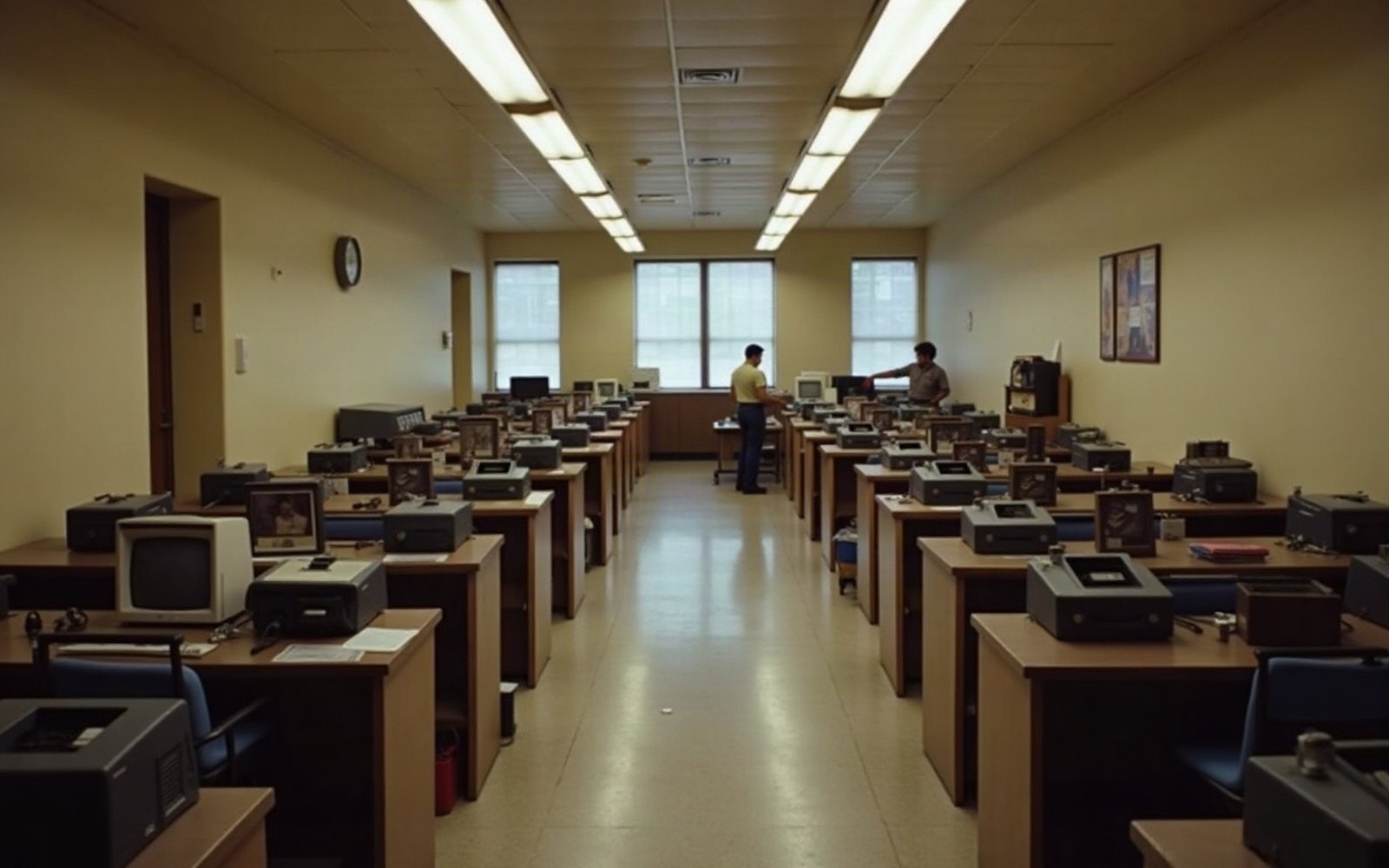
The floor ran on a card deck, a script and a quota, and was measured as calls to sales.
Scale and Infrastructure
The infrastructure that built around InWatts service was substantial. AT&T expanded capacity through the 1970s as commercial uptake accelerated. Dedicated inbound call centres — often contracted operations handling accounts for multiple mailers — grew into a recognizable industry. The physical form of that industry, the long room of headset-wearing agents working from scripts, became the telephone equivalent of the lettershop: a specialized facility existing because a single direct-marketing technique had generated enough volume to justify it.
By the 1980s the 800 number was ubiquitous. It appeared on the infomercials that followed FCC deregulation in 1984, repeated at intervals through twenty-eight-minute programme-length commercials designed to move the viewer from passive watching to active dialing. It appeared on package inserts, on billing statements, and on the early websites of the 1990s, where it served as reassurance for consumers not yet willing to submit a credit-card number online. The National Do Not Call Registry, established by the FTC in 2003, addressed outbound calling rather than inbound, and left the 800 number structurally intact.
The 800 number did not merely add a channel. It changed the speed at which direct marketing could close a transaction, compressing the interval between exposure and purchase from days — the time a posted order form required — to minutes. Robert Kestnbaum's RFM model and the merge-purge operations that refined mailing lists were exercises in finding the likeliest buyer; the toll-free number was the mechanism that let the likeliest buyer act the moment the impulse was strongest. Those two halves of the direct-marketing system — precise targeting and frictionless response — matured together, and neither fully worked without the other.